Monday, September 28, 2026

Monday September 28, 2026 Green

Monday September 28, 2026 Green

Test Today!!! Perspectives

New Seating Chart and Activity: Name that tune!

Introduce Nature and Nurture: Are we in control or are we just acting according to our genes?

Homework: SQ3R Module 14  which is on pages 129-138.  You also received a handout in class this should be completed after you finish the homework.  This will be collected next class. 

AP Classroom: Activity: What the hell is heritability?

Activity: Smiles Predict Marriage Success

Activity: With your group you will choose two of the following studies/articles.  After reading each one discuss your findings and be ready to report out to the class the following questions:


Nurture:
Childhood Stress 
Harlow's Monkeys
Parents matter but they don't make a difference

Nature:
Twin Studies
5 True Stories of Twins Separated at Birth


1. Do you think personality traits are primarily inherited or influenced by environment? What is your evidence?


2. Why do you think nature versus nurture is debated? Do you think it is possible to answer this question definitively? Why or why not?


3. Who might be most interested in resolving the nature versus nurture debate? What effect might a resolution have on our society?


4. If you were raising identical twins, what might you do to make sure that they were unique individuals? Explain your answer.


5. Based on what you have learned, do you think it is possible to change your personality? Why or why not? If so, how would you go about making changes?


6. If you are not a twin, would you rather be an identical or a fraternal twin? Why? What do you think would be some of the challenges of being a twin? If you are a twin, write a couple of sentences about the experience. Is it fun? Difficult? If you have other siblings, is your relationship with your twin different from the relationship with your other siblings? If so, what makes it different?

Tuesday, September 22, 2026

Tuesday September 22, 2026

Tuesday September 22, 2026

Circle: What is the scariest thing about the whole college/after high school business?

Class Code:

4ZZQ34

Letter home

College/Career Fair

Tests and Quiz's

Formative Self Assessment

If you have all the homework done the minimum grade will be an 80!

Revisit: Definition of Psychology- The study of behavior AND mental processes.  Remember...The Brain is a prediction machine!

Perspectives

1. What is going on here?  How would you explain what is going on and why its happening?

2. Reflection Question

3. BioPsychSocial Model

4. Fill out "The Hand"

5. Bizarre Behavior

Next Unit: Psychology as Science

Psychology as Science:  Smiles Predict Marriage Success Should we believe this?  How could we test it?

Activity: Turning a myth or common belief into a hypothesis.


Monday, September 21, 2026

Monday September 21, 2026 Green

Monday September 21, 2026 Green

AP Classroom

Period 3 Code PRX672

Period 4 CodeGRA467

Letter home

College/Career Fair

Tests and Quiz's

Formative Self Assessment

Homework Check: Gallery Walk again!

Circle: If you saw a fight at the fair, would you record it, just watch it, walk away or tell the authorities so they could stop it?

Revisit: Definition of Psychology- The study of behavior AND mental processes.  Remember...The Brain is a prediction machine!

Perspectives

1. What is going on here?  How would you explain what is going on and why its happening?

2. Reflection Question

3. BioPsychSocial Model

4. Fill out "The Hand"

5. Bizarre Behavior

Next Unit: Psychology as Science

Psychology as Science:  Smiles Predict Marriage Success Should we believe this?  How could we test it?

Activity: Turning a myth or common belief into a hypothesis.

Thursday, September 17, 2026

Thursday September 17, 2026 Green

Circle: One useless talent that you would love to get good at.  Not great but just impressive.

Homework/SQ3R Gallery walk

Homework SQ3R pages 38-47  It's a big one so break it up over time.

Hand Activity: Using your homework

Activity: Using perspectives to solve a problem- Your tables job is to become an expert on one of the major Psychological Perspectives.  You will have a scenario that you are trying to understand AND explain why, from your assigned perspective,  they are acting the way they are.  Your will be reporting out to the rest of the class what your perspective thinks is going on.  You must make your explanations simple and straightforward and must check in with the rest of the class if they understand what you said because they are using your information for their notes and vice versa.  If they do not you must explain it a different in a different way.  There is an example page at on the last page of the handout.  At the end the class needs to decide which perspectives or combination of them seems like the best explanation for why the subject is behaving the way the are.  

Assign each table a perspective.  I've labeled them on the seating chart.  After they get their perspective:

Step 1 Decide who is taking on each role.

Step 2 Research

Step 3 Practice presentation.  If you don't understand what you teammate said you need to let them know.

Step 4 Present 

Step 5 Take clarifying questions from group

Step 6 Discuss with you group which perspective or combination seems like the best answer.

Step 7 Reflection question

If time allows, Starting to SQ3R pages 37-47 which is their next homework assignment.

Wednesday, September 16, 2026

Wednesday September 16, 2026 Gold

Wednesday September 16, 2026 Gold

Circle: One useless talent that you would love to get good at.  Not great but just impressive.

Homework/SQ3R Gallery walk

Homework SQ3R pages 38-47  It's a big one so break it up over time.

Hand Activity: Using your homework

Activity: Using perspectives to solve a problem- Your tables job is to become an expert on one of the major Psychological Perspectives.  You will have a scenario that you are trying to understand AND explain why, from your assigned perspective,  they are acting the way they are.  Your will be reporting out to the rest of the class what your perspective thinks is going on.  You must make your explanations simple and straightforward and must check in with the rest of the class if they understand what you said because they are using your information for their notes and vice versa.  If they do not you must explain it a different in a different way.  There is an example page at on the last page of the handout.  At the end the class needs to decide which perspectives or combination of them seems like the best explanation for why the subject is behaving the way the are.  

Assign each table a perspective.  I've labeled them on the seating chart.  After they get their perspective:

Step 1 Decide who is taking on each role.

Step 2 Research

Step 3 Practice presentation.  If you don't understand what you teammate said you need to let them know.

Step 4 Present 

Step 5 Take clarifying questions from group

Step 6 Discuss with you group which perspective or combination seems like the best answer.

Step 7 Reflection question

If time allows, Starting to SQ3R pages 37-47 which is their next homework assignment.

Tuesday, September 15, 2026

Tuesday September 15, 2026 Gold

Tuesday September 15, 2026 Gold

Nuts and Bolts: Google Classroom and Blog

New Seating Chart and Activity:  A place outside of Maine you have all been to.

Why do you think Psychology wants to be thought of as a science?

Homework Gallery Walk

Homework: "Why is the rat always right"?  What does it say about psychology as a science?

Circle: What's one explanation for why some student are so successful at school and others struggle so badly?

Transcripts:  Can we use Psychology to help us understand? 

Transcript activity.  Maxwell Smart  Jane Doe  Bio-psych-social model

The Hand Mnemonic:  What perspectives did our homework introduce?  Where would you put them?

Homework: SQ3R 13-22. Diagram in class.  


For next class:

Homework for the weekend.  SQ3R pages 38-47  It's a big one so break it up over time.

Activity: Using perspectives to solve a problem- Your tables job is to become an expert on one of the major Psychological Perspectives.  You will have a scenario that you are trying to understand AND explain why, from your assigned perspective,  they are acting the way they are.  Your will be reporting out to the rest of the class what your perspective thinks is going on.  You must make your explanations simple and straightforward and must check in with the rest of the class if they understand what you said because they are using your information for their notes and vice versa.  If they do not you must explain it a different in a different way.  There is an example page at on the last page of the handout.  At the end the class needs to decide which perspectives or combination of them seems like the best explanation for why the subject is behaving the way the are.  

Assign each table a perspective.  I've labeled them on the seating chart.  After they get their perspective:

Step 1 Decide who is taking on each role.

Step 2 Research

Step 3 Practice presentation.  If you don't understand what you teammate said you need to let them know.

Step 4 Present 

Step 5 Take clarifying questions from group

Step 6 Discuss with you group which perspective or combination seems like the best answer.

If time allows, Starting to SQ3R pages 37-47 which is their next homework assignment.

Monday, September 14, 2026

Monday September 14, 2026 Green

Monday September 14, 2026 Green

Nuts and Bolts: Google Classroom and Blog

New Seating Chart and Activity:  A place outside of Maine you have all been to.

Why do you think Psychology wants to be thought of as a science?

Homework Gallery Walk

Homework: "Why is the rat always right"?  What does it say about psychology as a science?

Circle: What's one explanation for why some student are so successful at school and others struggle so badly?

Transcripts:  Can we use Psychology to help us understand? 

Transcript activity.  Maxwell Smart  Jane Doe  Bio-psych-social model

The Hand Mnemonic:  What perspectives did our homework introduce?  Where would you put them?

Homework: SQ3R 13-22. Diagram in class.  


For next class:

Homework for the weekend.  SQ3R pages 38-47  It's a big one so break it up over time.

Activity: Using perspectives to solve a problem- Your tables job is to become an expert on one of the major Psychological Perspectives.  You will have a scenario that you are trying to understand AND explain why, from your assigned perspective,  they are acting the way they are.  Your will be reporting out to the rest of the class what your perspective thinks is going on.  You must make your explanations simple and straightforward and must check in with the rest of the class if they understand what you said because they are using your information for their notes and vice versa.  If they do not you must explain it a different in a different way.  There is an example page at on the last page of the handout.  At the end the class needs to decide which perspectives or combination of them seems like the best explanation for why the subject is behaving the way the are.  

Assign each table a perspective.  I've labeled them on the seating chart.  After they get their perspective:

Step 1 Decide who is taking on each role.

Step 2 Research

Step 3 Practice presentation.  If you don't understand what you teammate said you need to let them know.

Step 4 Present 

Step 5 Take clarifying questions from group

Step 6 Discuss with you group which perspective or combination seems like the best answer.

If time allows, Starting to SQ3R pages 37-47 which is their next homework assignment.

Friday September 11, 2026 Gold

Friday September 11, 2026 Gold

Circle: What is one pet peeve of your?  Why do you think it bothers you and not others?

Hand out Textbooks (Period 4) 3 has them.:

(Period 3) At your table: How do you read and remember informational texts so you you don't forget? Power of Context!

Research SQ3R: Be prepared to present out your findings.  What is it?  How does it work? Why is it so effective? 

Activity: How to read informational texts.  Module 0.1 in class.  Module 0.2 for homework.  I will be checking this tomorrow for a formative grade.

Do Homework together

Review: 
-Definition of Psychology
-What does it mean when we say brain is a prediction machine?
-Perspective

Activity: Psychology wants to be considered a science.  Why do history teachers teach it? 

Revisit: Definition of Psychology- The study of behavior AND mental processess.

1. The Hand

2. Evolutionary Perspective

3. Introduce other perspectives

4. Lets look at ourselves...  What does it mean???

5. Lets see if we can figure out what's going on here.  Remember the Fundamental Attribution Error

6. What is going on here?  How would you explain what is going on and why its happening?

Friday, September 11, 2026

Friday September 10, 2026 Gold

Friday September 10, 2026 Gold

Circle: What is one pet peeve of your?  Why do you think it bothers you and not others?

Hand out Textbooks (Period 4) 3 has them.:

(Period 3) At your table: How do you read and remember informational texts so you you don't forget? Power of Context!

Research SQ3R: Be prepared to present out your findings.  What is it?  How does it work? Why is it so effective? 

Activity: How to read informational texts.  Module 0.1 in class.  Module 0.2 for homework.  I will be checking this tomorrow for a formative grade.

Do Homework together

Review: 
-Definition of Psychology
-What does it mean when we say brain is a prediction machine?
-Perspective

Activity: Psychology wants to be considered a science.  Why do history teachers teach it? 

Revisit: Definition of Psychology- The study of behavior AND mental processess.

1. The Hand

2. Evolutionary Perspective

3. Introduce other perspectives

4. Lets look at ourselves...  What does it mean???

5. Lets see if we can figure out what's going on here.  Remember the Fundamental Attribution Error

6. What is going on here?  How would you explain what is going on and why its happening?


Thursday, September 10, 2026

Thursday September 10, 2026 Green

Thursday September 10, 2026 Green

Circle: What is one pet peeve of your?  Why do you think it bothers you and not others?

Hand out Textbooks (Period 4) 3 has them.:

(Period 3) At your table: How do you read and remember informational texts so you you don't forget? Power of Context!

Research SQ3R: Be prepared to present out your findings.  What is it?  How does it work? Why is it so effective? 

Activity: How to read informational texts.  Module 0.1 in class.  Module 0.2 for homework.  I will be checking this tomorrow for a formative grade.

Do Homework together

Review: 
-Definition of Psychology
-What does it mean when we say brain is a prediction machine?
-Perspective

Activity: Psychology wants to be considered a science.  Why do history teachers teach it? 

Revisit: Definition of Psychology- The study of behavior AND mental processess.

1. The Hand

2. Evolutionary Perspective

3. Introduce other perspectives

4. Lets look at ourselves...  What does it mean???

5. Lets see if we can figure out what's going on here.  Remember the Fundamental Attribution Error

6. What is going on here?  How would you explain what is going on and why its happening?


Friday, September 4, 2026

Tuesday September 7, 2026 Gold

Tuesday September 7, 2026   Gold

Circle: Either the grossest thing you have seen served in school cafeteria or your favorite cafe item.

Quick View- Notebook, Phones, Being responsible, Maturity, Blog, Google Classroom, Syllabus

1. Take the test
2. Get you profile letters- write them down.
3. Look up what your profile is online.  Just type in your 4 letters in the search bar.
4. Briefly write down what you agree with and 3-4 things and what you disagree with.
5. Then reflect in a short paragraph  how it makes you feel that you can be into 4 letters

Hand out Textbooks

At your table: How do you read and remember informational texts so you you don't forget? Power of Context!

Activity: How to read informational texts.  Module 0.1 in class.  Module 0.2 for homework.  I will be checking this tomorrow for a formative grade.

Research SQ3R: Be prepared to present out your findings.  What is it?  How does it work? Why is it so effective?  

Do Homework together

Review: 
-Definition of Psychology
-What does it mean when we say brain is a prediction machine?
-Perspective

Another Perspective: Evolutionary Psychology Perspective...

Activity: Psychology wants to be considered a science.  Why do history teachers teach it?


Thursday, September 3, 2026

Thursday September 3, 2026 Green

Thursday September 3, 2026 Green

Psychology Definition: The scientific study of behavior and mental processes. 

Expectations for this class.

Activity:
You will not  be turning this in.  On a piece of scrap paper write down why you are taking Psychology.  Now look around the room and write down why you think others in the room are taking them.   

Circle: Not including yourself, why do you think students take Psychology?

Activity: Fundamental Attribution Error- One person from you table go get a textbook and look up the Fundamental Attribution Error and make sure everyone at your table understands what it is and come up with an example that you would use to explain it to your parents if they asked you what you did in AP Psych today.  Be prepared to share out.

Learning Target: To understand the major psychological perspectives and what they can tell us about ourselves and others.


Circle: Close your eyes and try and imagine yourself as an old person.  What do you think the hardest part of being old is going to be?

Perspective Activity: At your table come up with a working definition of perspective. 


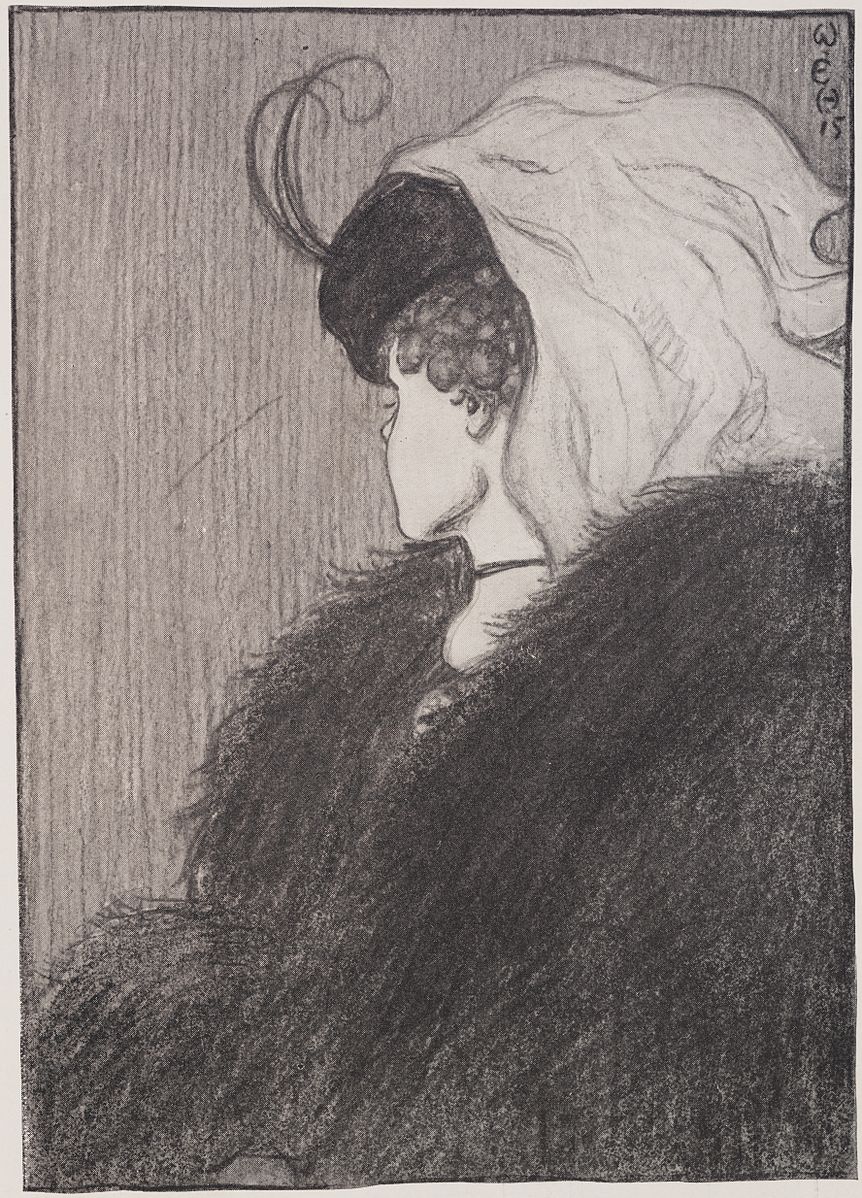
my wife and my mother in law optical illusion

What did I just do to influence what you saw?  Turn and talk


1. Take the test
2. Get you profile letters- write them down.
3. Look up what your profile is
4. Briefly write down what you agree with, 3-4 things and what you disagree with.
5. Then reflect in a short paragraph  how it makes you feel that you can be into 4 letters
Another Perspective: Evolutionary Psych

Wednesday, September 2, 2026

Wednesday September 2, 2026 Green

Wednesday September 2, 2026 Green

Welcome to Advanced Placement Psychology!  

Expectations for this class:

Learning Target: I can help build a community in the classroom and understand its importance in relation to learning.

Groupings Chart/Rationale

Activity:
Introduce yourself to the group:  Take notes on the people in your group.
1. Name a job you wanted to do when you were little
2. Favorite cartoon
3. One place you'd like to visit.

You will be reporting out your fellow group members.  You might want to write it down.

Why would I assign you to a group?  Make T-Chart with pros and cons
Rock Paper Scissors to see who presents

Activity:
You will not  be turning this in.  On a piece of scrap paper write down why you are taking AP classes.  Now look around the room and write down why you think others in the room are taking them.   

Circle Explanation: Restorative Justice

Circle: Not including yourself, why do you think students take AP classes?

Activity: Fundamental Attribution Error- One person from you table go get a textbook and look up the Fundamental Attribution Error and make sure everyone at your table understands what it is and come up with an example that you would use to explain it to your parents if they asked you what you did in AP Psych today.  Be prepared to share out.

Learning Target: To understand the major psychological perspectives and what they can tell us about ourselves and others.


Psychology Definition: The scientific study of behavior and mental processes. 

Circle: A bizarre behavior you have witnessed at this school.

Activity: Using  the behavior we talked about in circle and your limited understanding of psychology, try and determine why said person engaged in behavior.  Be ready to report out.

Fundamental Attribution Error

Perspective Activity: At your table come up with a working definition of perspective. 


What do you see?


my wife and my mother in law optical illusion

What did I just do to influence what you saw?  Turn and talk

Monday, August 31, 2026

Tuesday September 1, 2026 Gold

Tuesday September 1, 2026 Gold

Welcome to Advanced Placement Psychology!  

Expectations for this class:

Learning Target: I can help build a community in the classroom and understand its importance in relation to learning.

Groupings Chart/Rationale

Activity:
Introduce yourself to the group:  Take notes on the people in your group.
1. Name a job you wanted to do when you were little
2. Favorite cartoon
3. One place you'd like to visit.

You will be reporting out your fellow group members.  You might want to write it down.

Why would I assign you to a group?  Make T-Chart with pros and cons
Rock Paper Scissors to see who presents

Activity:
You will not  be turning this in.  On a piece of scrap paper write down why you are taking AP classes.  Now look around the room and write down why you think others in the room are taking them.   

Circle Explanation: Restorative Justice

Circle: Not including yourself, why do you think students take AP classes?

Activity: Fundamental Attribution Error- One person from you table go get a textbook and look up the Fundamental Attribution Error and make sure everyone at your table understands what it is and come up with an example that you would use to explain it to your parents if they asked you what you did in AP Psych today.  Be prepared to share out.

Learning Target: To understand the major psychological perspectives and what they can tell us about ourselves and others.


Psychology Definition: The scientific study of behavior and mental processes. 

Circle: A bizarre behavior you have witnessed at this school.

Activity: Using  the behavior we talked about in circle and your limited understanding of psychology, try and determine why said person engaged in behavior.  Be ready to report out.

Fundamental Attribution Error

Perspective Activity: At your table come up with a working definition of perspective. 


What do you see?


my wife and my mother in law optical illusion

What did I just do to influence what you saw?  Turn and talk


Another Perspective: Evolutionary Psych

1. Take the test
2. Get you profile letters- write them down.
3. Look up what your profile is
4. Briefly write down what you agree with, 3-4 things and what you disagree with.
5. Then reflect in a short paragraph  how it makes you feel that you can be into 4 letters

Friday, May 22, 2026

Friday May 22, 2026 Gold

Friday May 22, 2026 Gold

Circle: What exactly is your go to Dunkin Order?

Why we do research: In 1998, a paper published in the medical journal The Lancet by Andrew Wakefield and colleagues suggested a possible link between the MMR (measles, mumps, rubella) vaccine and autism. The study only involved 12 children, but it received enormous media attention and became the foundation of the modern anti-vaccine movement.

The paper was later fully retracted because investigations found serious ethical and scientific misconduct, including:

  • Falsified or altered patient data
  • Undisclosed financial conflicts of interest
  • Children being recruited through lawyers preparing lawsuits
  • Invasive procedures done without proper ethical approval
  • Misrepresentation of how subjects were selected for the study

The UK General Medical Council concluded Wakefield acted dishonestly and irresponsibly, and he lost his medical license.

Since then, many large studies involving hundreds of thousands of children have found no credible link between the MMR vaccine and autism.

Activity: Continue to work on Annotated Bibliography.  This needs to be submitted on Friday.

Coming Up: One minute presentations about your research and hypothesis.

Thursday, May 21, 2026

Thursday May 21, 2026 Green

 Thursday May 21, 2026 Green

Circle: What is the most obvious trait you inherited from one of your parents.  What is it and which parent?  This could be physical or personality trait.  

2nd Circle: Who are you more like?  Mother or father or step-mother or step-father?

Finish Presentations:

Nature and Nurture:  On your own answer the following questions and then share your response with your group.  What is one thing most of you agreed on?  What was the biggest disagreement?

Activity: Why is the Nature and Nurture debate so important?  Cape Elizabeth?  Norway?  How do you think your life would be different if you grew up in Cape Elizabeth?  Is it all NURTURE?

Values:  Are they Nature or Nurture?

Zillow:  Cape Elizabeth Norway


Wednesday, May 20, 2026

Wednesday May 20, 2026 Green

 Wednesday May 20, 2026 Green

Circle: What exactly is your go to Dunkin Order?

Activity: Continue to work on Annotated Bibliography.  This needs to be submitted on Friday.

Coming Up: One minute presentations about your research and hypothesis.


Monday, May 18, 2026

Monday May 18, 2026

 Monday May 18, 2026 Green

Circle: What is you favorite app to use on your phone that is not social media?

Project: Hypothesis Research Project

Tuesday, May 12, 2026

Wednesday May 11, 2026 Gold

Wednesday May 11, 2026 Gold

Circle:  You have secret benefactor and you have been told they will buy you any car in the world, what would you buy?

New Seating Chart and Activity:  2 truths and a lie.

Why do we do research?

What we are doing on Tuesday?


Thursday, April 16, 2026

Thursday April 16, 2026

Thursday April 16, 2026

Bring AP Study Guide to class on Wednesday!

Study Guide

Circle 1: What do you hope to score on the AP Exam and how much work are you going to put in to achieve that goal?

Circle 2: What is the highest you have ever jumped from?

Activity: 10 Meter Tower Documentary

Activity: Personality Scenarios

Activity: Yerkes Dodson

Activity: Are you a sociopath? Anti-Social Personality Forum Online Test

Activity: In groups of two describe the three Theories of Emotion and how they would help explain Anti-Social Personality Disorder.

If we have time Activities: 
Dispositional Envy Scale
Fear Survey
Emotional Expressivity Scale
The Disgust Scale
Mood Awareness Scale

Test

Monday, April 13, 2026

Tuesday April 14, 2026

 Tuesday April 14, 2016

Bring AP Study Guide to class on Wednesday!

Study Guide

Circle 1: What do you hope to score on the AP Exam and how much work are you going to put in to achieve that goal?

Circle 2: What is the highest you have ever jumped from?

Activity: 10 Meter Tower Documentary

Activity: Personality Scenarios

Activity: Yerkes Dodson

Activity: Are you a sociopath? Anti-Social Personality Forum Online Test

Activity: In groups of two describe the three Theories of Emotion and how they would help explain Anti-Social Personality Disorder.

If we have time Activities: 
Dispositional Envy Scale
Fear Survey
Emotional Expressivity Scale
The Disgust Scale
Mood Awareness Scale

Friday, April 10, 2026

Friday April 10, 2026

 Friday April 10, 2026

Homework: Motivation on Page 258 and we will have a quick quiz on Monday over the terms.

Traits: consistent patterns of thoughts, feelings, and behaviors that make a person unique.

Trait theory: the idea that personality is made up of stable traits that can be identified and measured to describe and predict behavior.

Circle: A trait you think you inherited from a parent?

Sigmund Freud...Id, Ego and Superego

Video's you should watch!
Crash Course: Rorschach and the Freudians
Crash Course: Measuring Personality
Mr. Burns High School Freud Video
Zimbardo: The Mind, Hidden and Divided

Draw Hand:

Biological perspective
Traits come from genetics and brain chemistry
You are born with certain tendencies (like being more anxious or outgoing)

Behavioral (learning) perspective
Traits are learned through experience
Rewards and punishments shape your habits over time (you “learn” to be a certain way)

Social-cognitive perspective
Traits come from the interaction between you and your environment
Your thinking (beliefs, expectations) and situations work together to shape behavior

Psychodynamic perspective
Traits are influenced by unconscious conflicts and early childhood experiences
Your personality develops from how you dealt with early relationships and inner struggles

Humanistic perspective
Traits come from your drive to grow and become your best self
You develop traits based on your self-concept and need for personal growth

Trait perspective (bonus for comparison)
Traits are stable characteristics you have
Focuses more on describing traits than explaining where they come from

Free Association

How to Study... 1. Read Unit 2. Make Notecards 3. Watch Crash Course 4. Make practice quiz on ChatGPT 5. Review!!!

CRASH COURSE

Tuesday, April 7, 2026

Tuesday April 7, 2026

 Tuesday April 7, 2026

New Seating Chart

Circle: To be answered after activity?

Johari's Window

Activity: Social Anxiety Scale

Activity: Obsessive Compulsive Scale


Monday, April 6, 2026

Tuesday April 7, 2026

 Tuesday April 7, 2026

Circle:  After Johari's Window

New Seating Chart and Activity

Johari's Window

Group Dynamic Activities

Practice Quiz

Homework: 

Monday April 6, 2026

Monday April 6, 2026

Social Cultural Psychology

Circle:  Have you ever gotten away with something that you should have gotten in trouble for?  How did it make you feel?

Activity: Deindividuation-If you could do anything humanly possible with complete assurance that you would not be detected or held responsible for what would you do?  Write it down. 

Deindividuation is a psychological state where individuals in a group or crowd lose their self-awareness, personal identity, and sense of individual responsibility.

aggression, charity, academic dishonesty, crime, escapism, political activities, sexual behavior, social disruption, interpersonal spying, and eavesdropping, travel, and a catch-all other.

Criminal 26%

Sexual 11%

Spying 11%

Most common...robbing a bank at 15%

36% in total were considered anti-social.

Demonstration Activity: Blank piece of paper, write down how much time went by.  Then again, how much time went by.  Written variations will have a much greater variation in time then spoken times. Why?

Survey Time...How many students and teachers fall prey to the Fundamental Attribution Error

Terms and Quiz

Thursday, April 2, 2026

Friday April 3, 2026

 Friday April 3, 2026

Social Cultural Psychology

Circle:  Have you ever gotten away with something that you should have gotten in trouble for?  How did it make you feel?

Activity: Deindividuation-If you could do anything humanly possible with complete assurance that you would not be detected or held responsible for what would you do?  Write it down. 

Deindividuation is a psychological state where individuals in a group or crowd lose their self-awareness, personal identity, and sense of individual responsibility.

aggression, charity, academic dishonesty, crime, escapism, political activities, sexual behavior, social disruption, interpersonal spying, and eavesdropping, travel, and a catch-all other.

Criminal 26%

Sexual 11%

Spying 11%

Most common...robbing a bank at 15%

36% in total were considered anti-social.

Demonstration Activity: Blank piece of paper, write down how much time went by.  Then again, how much time went by.  Written variations will have a much greater variation in time then spoken times. Why?

Survey Time...How many students and teachers fall prey to the Fundamental Attribution Error

Terms and Quiz

Thursday April 2, 2026

Thursday April 2, 2026

Circle: Superpower you would like to have.

Fundamental Attribution Error- A time you made the wrong judgement about someone.  It could be a friend, coworker, parent, teacher coach stranger etc..

Notecard- Write the Fundamental Attribution Error on one side and a definition you understand on the other.

FAE Explanation

Video: Fundamental Attribution Error

Activity: Karen Clips.  

Worksheet

Wednesday, April 1, 2026

Wednesday April 1, 2026

Wednesday April 1, 2026

Circle: A time you felt like you were being judged.

Notecard- Write the Fundamental Attribution Error on one side and a definition you understand on the other.

FAE Explanation

Video: Fundamental Attribution Error

Activity: Karen Clips.  

Worksheet

Monday, March 30, 2026

Monday March 30, 2026

Monday March 30, 2026

Target: Understanding Human Develpment

Look it up: Heritability...Quick


Circle Question: Name two fictional characters that put together make up a good description of who you are.

Temperament Survey: Take the survey yourself and then give the other copy to your parent(s) and have the fill it out but ask them to fill it out for what your personality was like when you were 2-3 years old.  Then have a conversation about what has changed about your personality and what has remained the same. 

You should have already started to read ahead in Unit 9 Developmental Psychology.  You need to have read 418-435 for class on Monday.

Pre-Natal Slide Show
Infant Slide Show

Supplemental Video:
Kohlberg's Six Steps to Morality
Gender Roles
The Trolley Problem
Harlow's Monkeys
Harlow's Study on Monkeys' Attachment
The Strange Situation-Mary Ainsworth
Crash Course: 18  The Growth of Knowledge
Crash Course: 19 Monkeys and Morality
Crash Course: 20 Adolescence
Inside the Teenage Brain

Note Cards:  Below is a list of terms that you will need to know for the AP Psych Exam.  These are due the day of the exam.  Each note card should have the term on the front.  Then, on the back you need to A) define the term and B) show application of the term.  This application can sometimes best be expressed as a personal example.  


  • Erik Erikson
  • Carol Gilligan
  • Harry Harlow
  • Lawrence Kohlberg
  • Jean Piaget
  • Lev Vygotsky
  • Habituation
  • Maturation
  • Assimilation
  • Accommodation
  • Object permanence
  • Conservation
  • Egocentrism
  • Attachment
  • Imprinting
  • Temperament
  • Self-concept
  • Gender role
  • Gender identity
  • Social identity
Thursday March 26, 2019

Target: Understanding Human Development

How does life develop before birth?
What are some newborn abilities, and how do researchers explore infants’ mental abilities?
During infancy and childhood, how do the brain and motor skills develop?
From the perspective of Piaget and today’s researchers, how does a child’s mind develop?
How do parent-infant attachment bonds form?
What physical changes mark adolescence?
How did Piaget, Kohlberg, and later researchers describe adolescent cognitive and moral development?
What are the social tasks and challenges of adolescence?
What is emerging adulthood?
What physical changes occur during middle and late adulthood?
How do memory and intelligence change with age?
What themes and influences mark our social journey from early adulthood to death?


Kick off question: What do you think will be the most difficult part of being an adult and why?

Circle Question: What was your best year as a person?  What made is so good?

Temperament Survey: Take the survey yourself and then give the other copy to your parent(s) and have the fill it out but ask them to fill it out for what your personality was like when you were two years old.  Then have a conversation about what has changed about your personality and what has remained the same.

Activity: Landmarks

Activity: True or False

Activity: Adolesence-True or False

Activity: Parenting Style

Activity: Lifespan

Activity: Thinking about death


Target: Understanding Human Development from Pre-Natal to Death

Test Friday April 5

Circle Question: If you had to wear the same T-shirt every day for a year and you had to  have one word on it what would that word be?

2nd circle question: Your psychology teacher believes that it is next to impossible to be in "love" with another person until successfully completing your identity formation(meaning High School "love" is actually only lust).  Do you agree or disagree?

How does life develop before birth?
What are some newborn abilities, and how do researchers explore infants’ mental abilities?
During infancy and childhood, how do the brain and motor skills develop?
From the perspective of Piaget and today’s researchers, how does a child’s mind develop?
How do parent-infant attachment bonds form?
What physical changes mark adolescence?
How did Piaget, Kohlberg, and later researchers describe adolescent cognitive and moral development?
What are the social tasks and challenges of adolescence?
What is emerging adulthood?
What physical changes occur during middle and late adulthood?
How do memory and intelligence change with age?
What themes and influences mark our social journey from early adulthood to death?

You need to finish reading the unit on developmental psychology for Wednesday's class.

Pre-Natal Slide Show: 
Infant Slide Show: 
Piaget's Stages of Development
Parenting Styles: What would you do differently as a parent?  What do you think is the best way to parent?  After slideshow: How would you describe your parents style?  Is it effective?
Kohlberg's Moral Development
Activity: Heinz's Dilemma
Erik Erikson Stages
Gender Roles

Erikson And Identity: Page 541
Activity: I am...
Activity: Through the years...
Activity: On dying...

Kahoot

Circle Question:  What is one piece of advice you wished you got(and listened to) about getting through the teenage years?

Goal:Write arguments to support claims in an analysis of substantive topics or texts, using valid reasoning and relevant and sufficient evidence.
Activity: Using your laptop review and encapsulate Ericksons Theory of Identity Formation.  What are the key parts, explain using your own words. Brief presentation.  What do you would be like if you didn't go through adolescence like teenagers in different cultures?

Goal:[Students can engage in research/inquiry to investigate topics, and to analyze, integrate, and present information.]
I AM activity
Fill out sheets and these will be collected.  After completing I AM sheet review the link and write a reaction.  What stands out to you?  What surprises you?  Why do you think everyone writes such similar things?  How does this make you look at  yourself and what you wrote? This will be started in class and finished at home for homework.
Students I am Poems

Next Class
Letter to your teenage self: You will be writing a letter to your son or daughter that you will not see until they are 18.  You have volunteered to travel to Mars and the trip lasts 18 years.  Your son, if you are a boy, or your daughter if you are a female,  will need some advice about what its like to be a teenager from their same sex parent.  The only way you will be able to communicate with him is through a letter that you wrote at their birth and will open on their 13th birthday.  What advice would you give them about school, teachers, sex, relationships, peer pressure etc?  This letter should be addressed directly to them.  Please give them a name.  This will be finished for homework.


Target: Understanding Human Development from Pre-Natal to Death

Circle question: Your psychology teacher believes that it is next to impossible to be in "love" with another person until successfully completing your identity formation(meaning High School "love" is actually only lust).  Do you agree or disagree?

How does life develop before birth?
What are some newborn abilities, and how do researchers explore infants’ mental abilities?
During infancy and childhood, how do the brain and motor skills develop?
From the perspective of Piaget and today’s researchers, how does a child’s mind develop?
How do parent-infant attachment bonds form?
What physical changes mark adolescence?
How did Piaget, Kohlberg, and later researchers describe adolescent cognitive and moral development?
What are the social tasks and challenges of adolescence?
What is emerging adulthood?
What physical changes occur during middle and late adulthood?
How do memory and intelligence change with age?
What themes and influences mark our social journey from early adulthood to death?

Pre-Natal Slide Show: 
Infant Slide Show: 
Piaget's Stages of Development
Parenting Styles: What would you do differently as a parent?  What do you think is the best way to parent?  After slideshow: How would you describe your parents style?  Is it effective?
Kohlberg's Moral Development
Activity: Heinz's Dilemma
Erik Erikson Stages
Gender Roles

Erikson And Identity: Page 541
Activity: I am...
Activity: Through the years...
Activity: On dying...

Kahoot


Supplemental Video: Please 
Kohlberg's Six Steps to Morality
The Trolley Problem
Harlow's Monkeys
Harlow's Study on Monkeys' Attachment
The Strange Situation-Mary Ainsworth
Crash Course: 19 Monkeys and Morality
Crash Course: 18  The Growth of Knowledge
Crash Course: 20 Adolescence
Inside the Teenage Brain

Friday, March 27, 2026

Friday March 27, 2026

Friday March 27, 2026

Circle: A hobby you enjoy?

The Responsive Brain

The Strange Situation: Mary Ainsworth

Activity: True or False

Activity: Decades of Life

Activity: Death

Homework: SQ3R 208-220 in  Princeton AP Study Guide

Thursday, March 26, 2026

Thursday March 26, 2026

Thursday March 26, 2026

Circle: Class choice 

The Responsive Brain

The Strange Situation: Mary Ainsworth

Activity: True or False

Activity: Decades of Life

Activity: Death

Homework: SQ3R 208-220 in AP Study Guide

Thursday, March 19, 2026

Thursday March 19, 2026

Thursday March 19, 2026

Be aware that there are people who want to hurt your babies!!!

Pre-Circle: With your group or the person next to you come up with a few ideas about what parents seem to forget about being a teenager?

Circle: One thing that parents seem to have forgotten about being a teenager.  Do you think you will make the same mistake when you are a parent?  Why do you think we keep making the same thinking error?

Activity: Developmental Landmarks

Baby Diary- Open you diary and share with your tablemates how you answered the questions and dealt with the scenario's.  Where did you get the information from?  Does it sound right?

Module 42- Prenatal and the newborn

Module 43- Infancy and childhood/Physical Development

Module 44- Infancy and Childhood/Cognitive Development

Module 45- Infancy and Childhood/Social Development

Module 46- Gender Development

Module 47- Parent, Peers, Social Development

Module 48- Adolescence/Physical and Cognitive Development

Module 49- Adolescence/Social Development and Emerging Adulthood

Module 50- Sexual Development

Module 51- Adulthood/Physical Cognitive and Social Development

Kahoot 

Wednesday, March 18, 2026

Wednesday March 18, 2026

Wednesday March 18, 2026

Be aware that there are people who want to hurt your babies!!!

Pre-Circle: With your group or the person next to you come up with a few ideas about what parents seem to forget about being a teenager?

Circle: One thing that parents seem to have forgotten about being a teenager.  Do you think you will make the same mistake when you are a parent?  Why do you think we keep making the same thinking error?

Activity: Developmental Landmarks

Baby Diary- Open you diary and share with your tablemates how you answered the questions and dealt with the scenario's.  Where did you get the information from?  Does it sound right?

Module 42- Prenatal and the newborn

Module 43- Infancy and childhood/Physical Development

Module 44- Infancy and Childhood/Cognitive Development

Module 45- Infancy and Childhood/Social Development

Module 46- Gender Development

Module 47- Parent, Peers, Social Development

Module 48- Adolescence/Physical and Cognitive Development

Module 49- Adolescence/Social Development and Emerging Adulthood

Module 50- Sexual Development

Module 51- Adulthood/Physical Cognitive and Social Development

Kahoot